Rear Leaf Spring Replacement
The TJ is a coil-sprung Wrangler — if you're searching for a TJ "rear leaf spring," you've either got an LJ-to-leaf conversion build, or you're confusing the TJ with the older YJ Wrangler. This guide covers both situations.
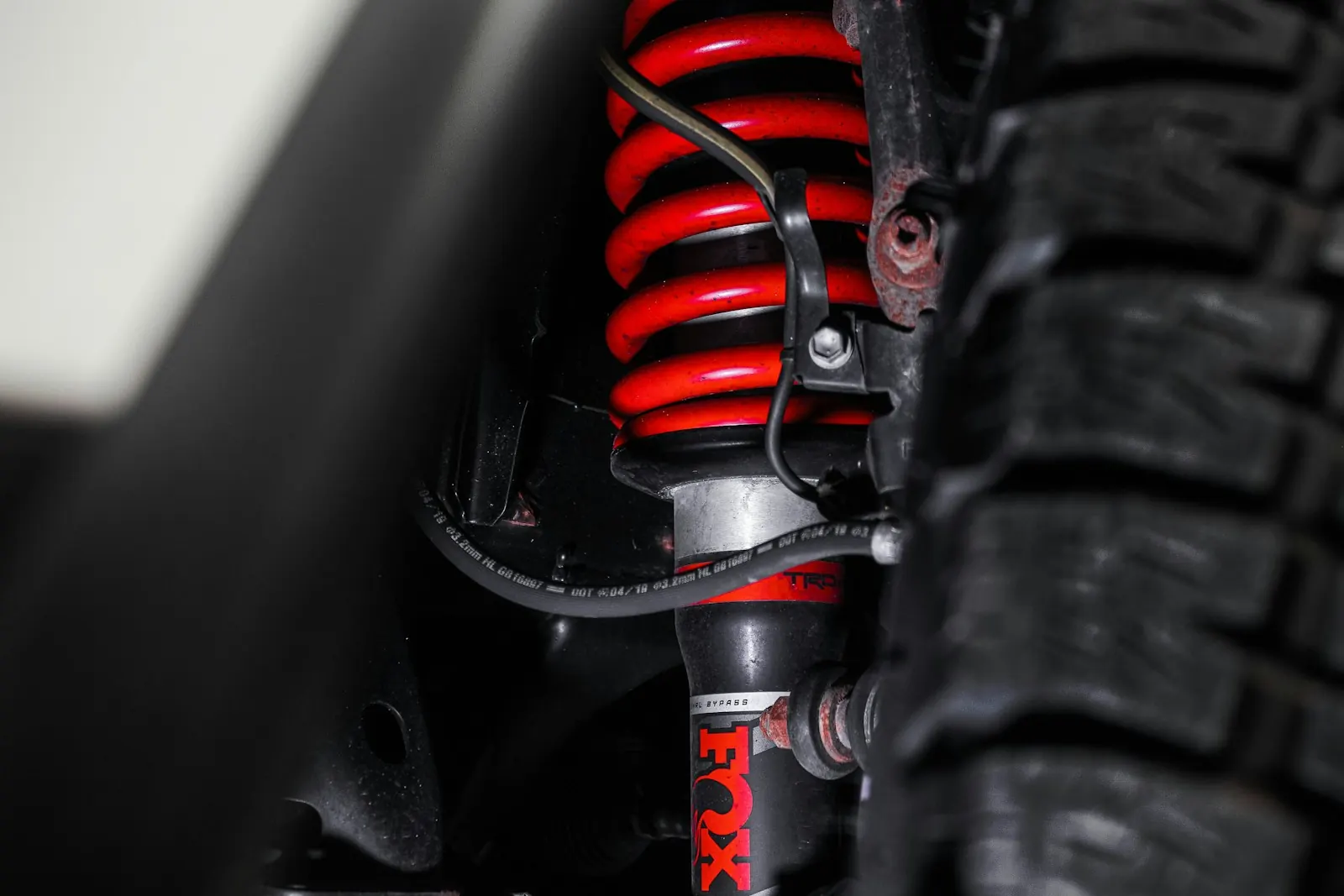
Stock TJ Wranglers (1997-2006) and LJ Unlimiteds (2004-2006) use coil springs front and rear — not leaves. That's the headline. If you came into the garage expecting leaf-spring perches under the rear axle, you've got a YJ (1987-1995) or an aftermarket leaf-conversion kit. The coil-sprung rear is one of the TJ's biggest advantages over the YJ: better articulation, smoother ride, more manageable to lift.
That said, there are two real reasons to land on this page. First: you own a TJ with an aftermarket leaf-spring conversion (rare, usually shop-built for racing or specific suspension geometry). Second: you're cross-shopping a TJ with a YJ build and want to understand the differences. The TJ's coil-and-track-bar geometry is covered in detail in our TJ Coil Spring Replacement guide. If your goal is rear lift, you want coil springs, not leaves.
For the rare TJ-with-leaves build (typically a Currie or shop-built setup): leaf packs are sized by load rating and arch. Old Man Emu, BDS, and Skyjacker make spec-matched leaves for YJ that physically bolt to a TJ-to-leaf conversion frame bracket — but you need to confirm bushing eye diameter and arch height against your specific conversion kit. Mopar OE leaves do not exist for the TJ because the platform was never coil-rear from the factory.
Replacement procedure (for the conversion build): support the frame, remove the U-bolts holding the axle to the spring pack, swing the spring forward off the front eye bolt, remove the rear shackle, replace the spring pack with the new one, torque U-bolts to 90-100 ft-lb in a cross pattern. Re-torque after 500 miles — leaf packs settle.
If you bought a TJ and want a 2-3" rear lift, you're shopping coil springs. Skip this guide and go to the coil spring page.
Steps
- Confirm your TJ actually has leaf springs in the rear (look for a multi-leaf pack between axle and frame). Stock TJ = coils, not leaves.
- If coil-rear: stop. Go to the TJ coil spring guide.
- If leaf-converted: chock front wheels; lift the rear; support frame on jack stands behind the axle.
- Place a floor jack under the axle for support.
- Spray penetrant on U-bolt nuts; let sit 10 minutes.
- Loosen and remove U-bolt nuts; remove U-bolt plate and U-bolts.
- Loosen the front eye bolt and rear shackle bolts.
- Lower the axle to relieve tension on the spring pack.
- Swing the spring forward off the front eye; remove the shackle; pull the spring out.
- Install the new spring: front eye onto front mount bolt first, then rear into the shackle.
- Center the axle on the spring perch (use the center pin alignment hole).
- Reinstall U-bolts and plate; torque to 90-100 ft-lb in a cross pattern.
- Torque front eye bolt to 80 ft-lb; shackle bolts to 55 ft-lb.
- Drive 500 miles; re-torque U-bolts.
Why it works
- Cheaper than coil-and-track-bar replacement (for conversion builds)
- Leaf packs are tough and tolerant of bad geometry
- Can add load capacity by adding leaves
Trade-offs
- TJ was not designed for leaves — converting from coils gives up articulation
- Confusing platform mismatch: most TJ owners actually want the coil guide
- Aftermarket conversion brackets are not common; parts harder to source
- Rides stiffer than coil-rear unless tuned with proper shocks
Tools required
- floor jack
- jack stands
- metric sockets
- breaker bar
- torque wrench
- pry bar
- penetrating oil
Parts
| Part | Vendor | Est. price |
|---|---|---|
| Old Man Emu CS049R Medium Load Rear Leaf (TJ) | ARB / OME | ~$285 |
| BDS 2" Rear Leaf Spring (TJ) | BDS Suspension | ~$320 |
| Rubicon Express Standard Coil Rear Lift (TJ uses coils, not leaves — note: TJ is coil-rear) | Rubicon Express | ~$0 |
| Rancho RS44113 TJ Rear Leaf (NOTE: TJ rear is coil — see body) | Rancho | ~$0 |
Sources
Related
Written and maintained by an AZ wheeler and driveway wrencher. How we source guides. Always cross-reference your factory service manual — modifications affect vehicle safety and warranty. Work at your own risk.